

Private label supplement dropshipping can work in 2026, but only when you treat it as a regulated product business with tight supplier controls, not a quick white-label hack. The model fits brands that already know their audience and can verify formula, label, claims, batch records, packaging, and tracking before taking paid orders.
Supplement Dropshipping Reality Check
Private label supplement dropshipping is a fulfillment model where your brand sells supplements made or packaged under your label while a supplier, 3PL, or factory-connected partner handles storage and shipment. The profit comes from brand trust and repeat purchase. The risk sits in formula quality, label compliance, claims, and late deliveries.
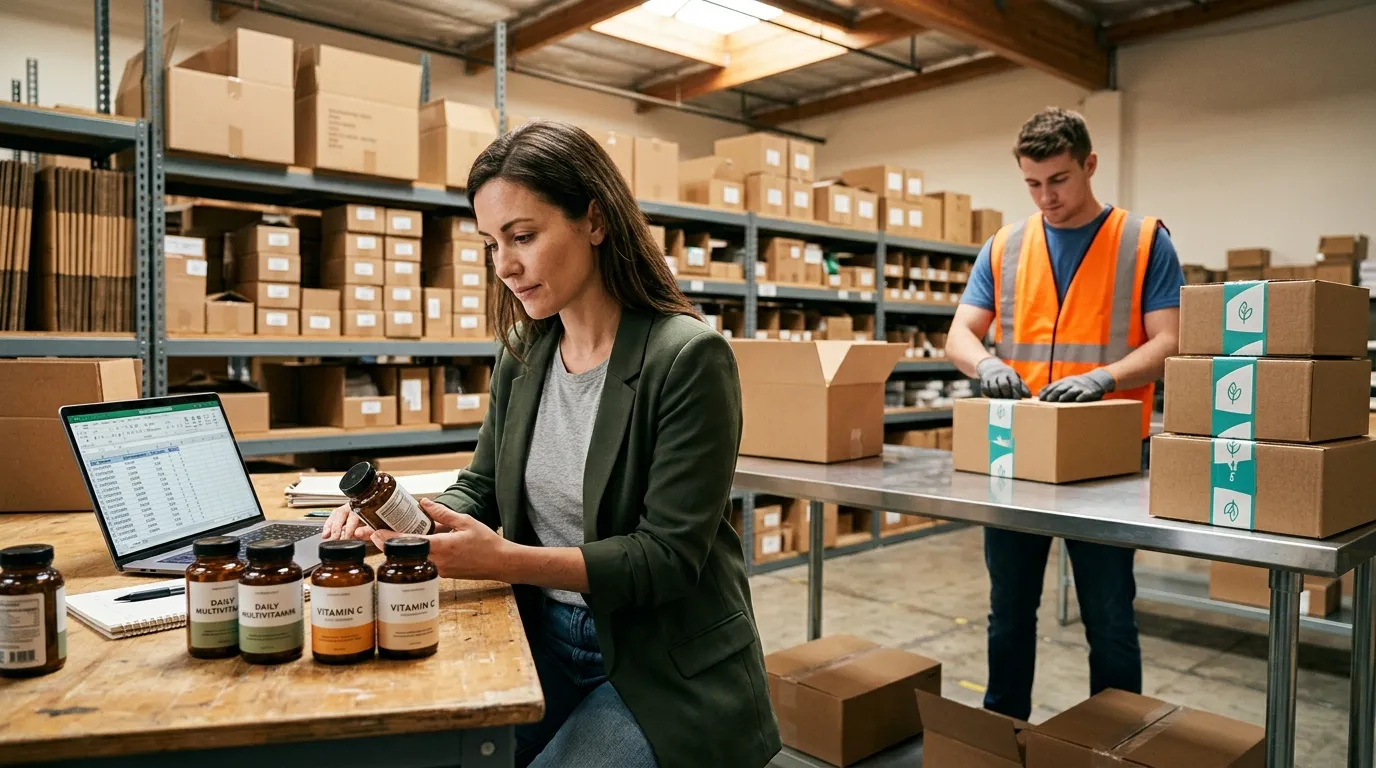
The basic flow sounds simple: pick a formula, apply your label, sell through Shopify or TikTok Shop, then send orders to a fulfillment partner. The hard part is repeat control. One late batch, one changed capsule color, one label claim that says too much, and support tickets start before the second reorder lands.
Generic supplement dropshipping is faster. Private label makes more sense when you have a reason for someone to reorder: a subscription routine, a creator-led audience, a bundled offer, a clear positioning angle, or an ingredient story you can actually support.
| Route | Best Fit | Weak Point |
|---|---|---|
| Generic dropshipping | Trend testing | No brand moat |
| White-label catalog | Fast demand check | Same formula across brands |
| Private label with QC | DTC brand building | More supplier review upfront |
| Bulk inventory | Proven SKU | Cash tied in bottles |
If you’re still testing whether anyone wants “sleep gummies for founders,” don’t start with 10,000 bottles. Start with demand, then move into private label once you can defend the customer promise.
Supplier Proof Beats Samples
A sample proves the flavor didn’t offend you. It doesn’t prove the next 5,000 bottles use the same raw material, dosage, bottle closure, desiccant, or label roll.
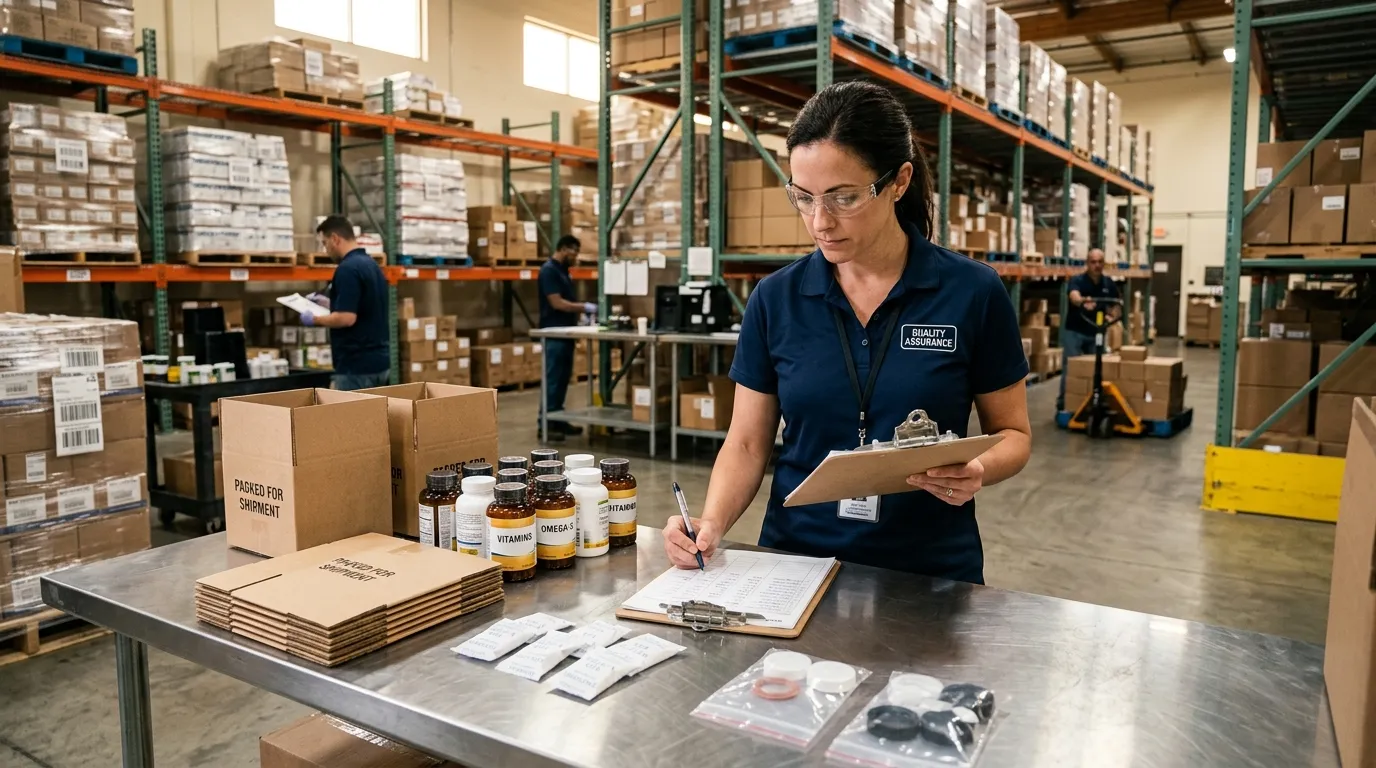
The FDA says supplement manufacturers and distributors are responsible for product safety and labeling before marketing, and the agency can act after a product reaches the market (FDA, 2024). That changes the sourcing question. You’re not just asking, “Can this supplier make it?” You’re asking, “Can this supplier prove what happened in this batch?”
Ask for the document pack before you approve a supplier:
- Finished-product COA tied to a lot number
- Raw material COAs and country of origin
- Heavy metals, microbiology, and identity test methods
- Batch production record availability
- Allergen and animal-derived ingredient statements
- Stability basis, shelf-life, and storage conditions
- Packaging specs for bottle, seal, desiccant, label, and carton
No serious supplier should pitch a standard supplement as “FDA approved.” That phrase is a red flag. For dietary supplements, look for cGMP compliance evidence, batch controls, testing discipline, and clear ownership of quality decisions.
This guide also has a boundary. It doesn’t fit CBD, THC, SARMs, peptides, injectables, prescription-style claims, or products that need cold-chain stability. Those need deeper regulatory review before you spend on branding.
Label Claims Can Cost
A supplement label has two jobs: tell the truth and avoid turning your product into an unapproved drug claim.

“Supports normal muscle function” is a different risk profile from “treats arthritis.” “Helps maintain healthy sleep patterns” is safer than “cures insomnia.” The words are close enough that a beginner may miss the line. Regulators don’t.
FTC guidance says health benefit and safety claims for supplements need competent and reliable scientific evidence, and advertising participants can be liable for deceptive claims (FTC, 2022). That includes landing pages, influencer scripts, email flows, TikTok captions, product inserts, and before-after testimonials.
| Safer Direction | Risky Direction |
|---|---|
| Supports healthy sleep patterns | Cures insomnia |
| Helps maintain normal blood sugar | Reverses diabetes |
| Supports hydration during training | Prevents heat illness |
| Contains 5 g creatine monohydrate | Builds 10 lb muscle in 30 days |
Write a claim bank before you print labels. Put every product page phrase, ad hook, packaging line, and influencer talking point in one sheet. Then have a qualified regulatory reviewer mark what’s usable, what needs evidence, and what needs to die.
The DSHEA disclaimer isn’t an invisibility cloak. If the net impression of the ad tells people the supplement treats a disease, the disclaimer won’t clean up the claim.
Fulfillment Math Gets Weird
A supplement order feels light until delivery promise, returns, and repeat purchase math hit the same spreadsheet.

Here’s a rough per-bottle model for a small DTC launch. Treat it as a planning example, not a quote.
| Cost Line | Example Range |
|---|---|
| Product and primary packaging | $4.00-$7.50 |
| Label, insert, outer packaging | $0.40-$1.20 |
| Pick/pack and warehouse handling | $2.40-$3.80 |
| Tracked postage | $5.50-$8.50 |
| Replacement and return allowance | 1.5%-3% of revenue |
| Payment and platform fees | About 3% plus app fees |
At a $29.99 sale price, a $14 delivered cost leaves $15.99 before ad spend, creator commission, customer support, refunds, and discounting. That’s why supplements need repeat purchase. A one-bottle customer acquired through paid ads can look profitable in Shopify and still lose money by the time you count the whole order path.
The operations part is where dropshipping brands usually get exposed. Tracking must sync fast. Lot numbers need to stay traceable. Packaging checks need to catch bad seals, wrong inserts, smeared labels, missing scoops, and broken caps before orders leave the warehouse.
If your brand needs sourcing, QC, branded packaging, warehousing, tracking sync, and returns under one operating plan, FlexFulfills’ custom private label dropshipping model is closer to the real work than a loose agent setup.
For eligible US/EU lanes, a 5-10 day delivery target can be a real advantage. Don’t promise it on every SKU until carrier data proves the lane, especially for heat-sensitive gummies or powders with bulky tubs.
Launch Plan For 2026
Start with one SKU and one promise. A supplement cabinet is expensive to fix.

- Pick a familiar ingredient lane: creatine monohydrate, magnesium glycinate, electrolyte powder, or collagen peptides.
- Define the customer use case, dosage, serving size, flavor, and warning language with qualified help.
- Shortlist suppliers and request cGMP evidence, COAs, test methods, MOQs, shelf life, and packaging options.
- Review claims before design work. It’s cheaper to change copy in Google Sheets than on 8,000 printed labels.
- Order samples from the real production path, including bottle, seal, label, scoop, insert, and shipping carton.
- Run basic shipping checks: heat exposure, leakage, crushed cartons, barcode scans, and lot/date readability.
- Connect Shopify or TikTok Shop order flow, carrier tracking, refund rules, and customer support macros before launch.
- Set a reorder trigger at 30-45 days of inventory cover so ads don’t create a stockout you can’t recover from.
The boring SKU often wins. Plain creatine with clear testing, clean packaging, and reliable delivery beats a flashy “metabolism complex” that needs claim gymnastics and supplier excuses.
FAQ
Is supplement dropshipping legal?
Yes, if the product, label, claims, and fulfillment process meet the rules in each market where you sell. The risky part is usually unsupported health claims, weak supplier records, or poor batch control.
Do supplements need FDA approval?
Standard dietary supplements don’t get premarket FDA approval like drugs. Sellers are still responsible for safety, labeling, and truthful claims before the product reaches customers.
Which supplements are easiest?
Low-claim, familiar products are usually easier: creatine monohydrate, magnesium glycinate, electrolyte powder, and collagen peptides. Avoid aggressive weight-loss, sexual health, disease, or hormone-related positioning unless you have specialized regulatory support.
Can I private label gummies?
Yes, but gummies add heat, texture, pectin or gelatin, sugar-free sweetener, MOQ, and melting risk. They’re brand-friendly, yet less forgiving than capsules during cross-border shipping.
What margins should I expect?
Gross margin may look like 50%-70% before ads. Net contribution depends on postage, pick/pack, replacements, platform fees, creator commissions, and whether customers reorder within 30-60 days.
When you’re ready to compare the operating pieces behind a supplement brand, use FlexFulfills as a related read for sourcing, QC photos, branded packaging, fulfillment nodes, and tracking sync before you choose your first supplier.