
FlexFulfills stores, picks, packs, and ships orders for ecommerce brands from China, the US, and Europe. Connect your store to sync orders and tracking, then choose a shipping route and add branded packaging or local returns as your business grows.
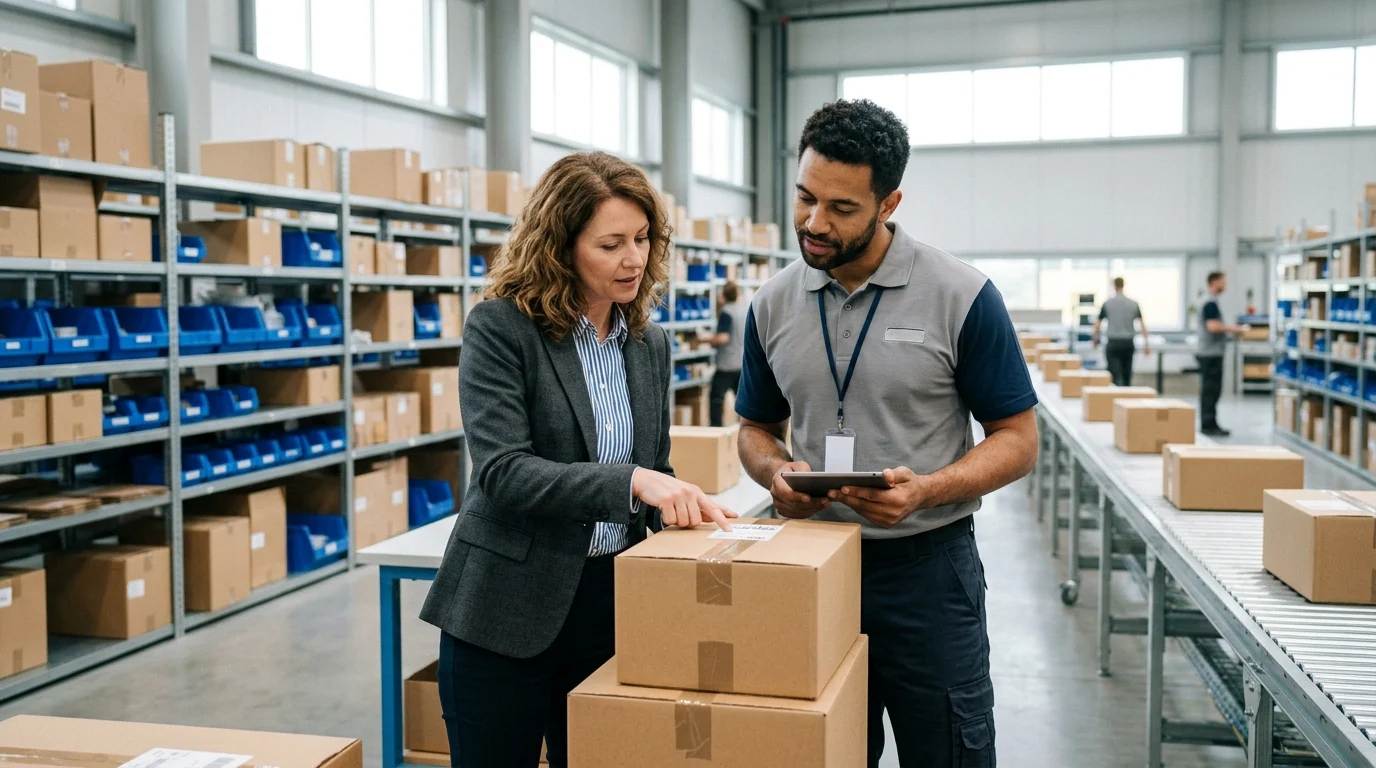
From warehouse receiving to carrier handoff, FlexFulfills handles the work behind each order. Add the storage, packing, and returns options your products need.
We match the item barcode to the order and inspect each unit for condition, completeness, and packaging before dispatch. See how our warehouse quality checks work.
Hold stock in China, the US, or Europe. Start with one region and move proven SKUs closer to customers when order volume supports local inventory. Explore the warehouse network.
Add branded mailers, labels, or inserts to eligible orders. For US and EU returns, we receive and inspect items locally and put sellable units back into stock under your rules. Explore packaging options and returns processing.
If you are researching a new 3PL, chances are at least one of these has already happened to you. None of them are bad luck. They are operating decisions — and every one of them is fixable at the root.
You paid express rates at checkout, then watched orders sit for three weeks while refund requests stacked up faster than deliveries. Slow transit doesn’t just annoy customers — it burns the ad spend that won those orders in the first place.
A number gets uploaded, the status never moves, and when the “item not received” dispute lands you have no evidence to answer it with. A tracking number that doesn’t belong to a real parcel is worse than no tracking at all.
Variants remap themselves, addresses don’t carry over, and your team spends every morning fixing orders by hand. Automation that needs daily babysitting is just manual work with extra steps.
Late parcels and dead tracking turn into chargebacks. Enough chargebacks, and your payment provider freezes funds or closes the account. It is the most common way a growing store dies — and it starts with fulfillment.
Connect Shopify and TikTok Shop so orders flow to the warehouse and match against SKU inventory. Carrier-issued tracking numbers sync back to your store when the label is created.
If two channels draw from the same inventory, agree which orders to release first when a SKU runs low. Our guides cover order priority and automation workflows.
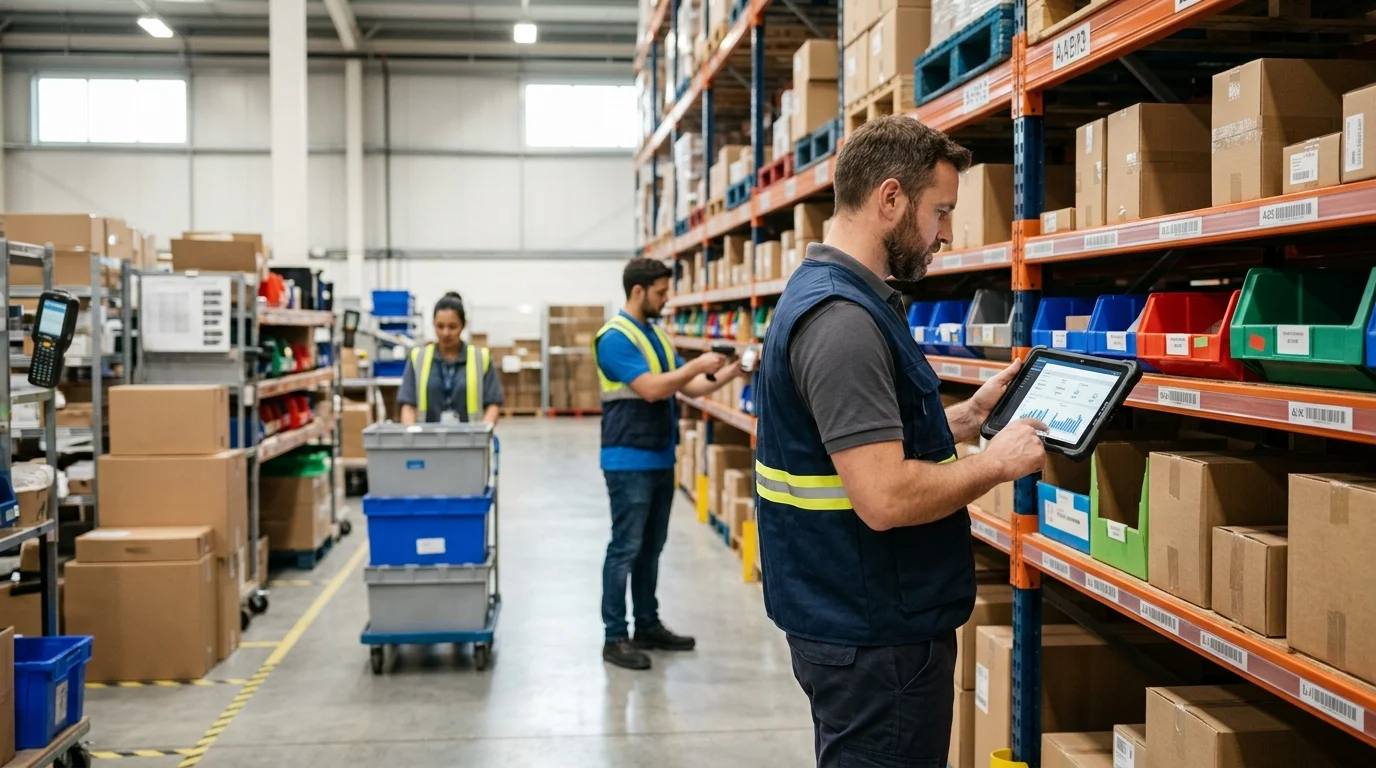
Six steps, each one measurable — and each one visible to you while it happens.
Planning your setup? See how to build an order fulfillment system and how to choose a fulfillment center for a small business.
Your order downloads automatically from Shopify or TikTok Shop within 1 hour of placement.
The order matches to live inventory and routes to the closest warehouse — China, the US, or Europe.
Every unit is manually inspected for function, appearance, and packaging before the box is sealed.
The carrier issues the tracking number; we push it to your store and your customer instantly.
Warehouse-stocked SKUs are picked, packed, and with the carrier within 24 hours.
Delivery time depends on the dispatch location and the destination. Tracking follows the parcel through the carrier network.
Every tracking number we upload belongs to a real parcel with real carrier scans. If a shipment runs late, you hear it from us before your customer does — with a compensation plan when the delay is on us.
Use your order destinations and sales by SKU to decide what to stock locally. You can ship new products from China and put proven sellers closer to customers as demand settles.
Use dedicated cross-border routes for product tests and lower-volume SKUs. Supported US and European routes take 5–10 days door to door. Build in extra time for sourcing or inbound receiving when stock is still with the supplier.
Hold predictable sellers close to buyers. Eligible stocked orders can be handed to a carrier within 24 hours. Domestic delivery varies by destination and service. See US ecommerce fulfillment or explore EU and US warehousing.
Put high-volume SKUs in your main market and keep slower sellers in China. Compare freight and storage costs, and set replenishment points for local stock before your next promotion.
One client shipped every US and EU order from a single origin warehouse. Freight costs climbed with volume, and long transit fed a steady drip of refunds. We moved their bestsellers into US and European warehouses, routed each order to the nearest node, and rebuilt the carrier mix lane by lane. The result: $1.2M saved in logistics and fulfillment through a localized warehousing strategy — the full case study is public.
Volume pricing is part of it. Because we buy capacity across carriers at volume, we get rates individual brands can’t get on their own — and we pass them through in itemized quotes, so you see the cost of every leg before you commit.
We run fulfillment for brands from first-store testing up to $70M in annual revenue, and qualified brands can work on flexible payment terms.
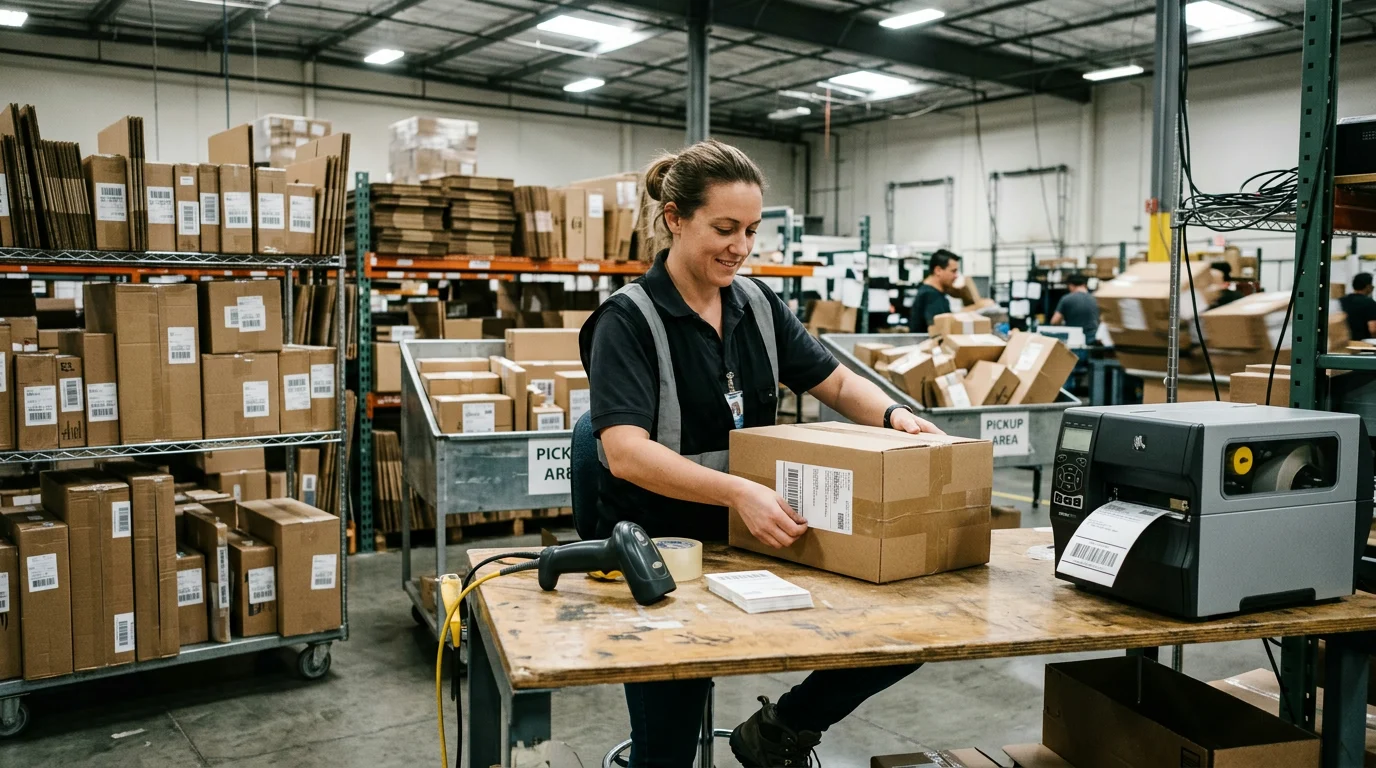
Payment processors don’t freeze accounts at random. They react to dispute rates — and most disputes on cross-border stores trace back to two things: parcels that arrive too late, and tracking that can’t prove anything. Fix fulfillment, and the dispute rate follows.
We’ve published a longer breakdown of the full chain — why slow fulfillment ends with frozen payment accounts — on the blog.
Check how receiving, delivery, costs, and returns work before you choose a fulfillment setup.
3PL fulfillment means a third-party logistics provider stores your inventory, then picks, packs, and ships each order to your customer on your behalf. Instead of renting warehouse space and hiring staff, you pay per order and use the 3PL’s carrier rates, warehouse network, and order systems. Fulfilling in-house gives you full control but fixed costs; a 3PL turns fulfillment into a variable cost that scales with sales — which is why most ecommerce brands switch once order volume becomes steady.
Dedicated routes from China to the US and Europe take 5–10 days door to door on supported lanes. For eligible orders already in local stock, we hand parcels to the carrier within 24 hours. Your quote shows the estimated delivery window for your route and destination.
Yes. Tracking numbers are issued by the carrier when the label prints and synced automatically to your store and your customer. Every number belongs to the physical parcel it is attached to, with real scan events — which also makes it usable evidence if a payment dispute ever lands.
We quote pick and pack per shipped order, with storage, shipping, and optional branded packaging itemized. Parcel size and weight, destination, pieces per order, and packaging affect the rate. See 3PL pricing for the fee breakdown.
We keep MOQs flexible — start with a small batch while we scope the right minimum for your product. We work with stores testing their first products and with brands shipping thousands of orders a day. Onboarding is handled by a dedicated account manager who replies in under an hour during business hours, and quote or form submissions get a full reply within 24 hours.
Send your SKUs, expected quantities, and carton details so we can give you receiving instructions for the selected warehouse. We count and scan inventory on arrival and flag discrepancies before making it available to ship.
Yes. Our US and EU facilities receive returns, match them to the original order, and inspect the items. Sellable units can go back into inventory based on your instructions. See returns management for inspection and restock options.
Yes. We can add branded mailers, custom labels, thank-you cards, or other inserts to eligible orders. We quote packaging based on your specifications and quantities.
Tell us your sales channels, SKUs, and daily order volume. We’ll come back with a fulfillment plan and itemized pricing — a full reply within 24 hours of your submission, and a dedicated account manager who answers in under an hour during business hours once you’re onboard.
Prefer to browse first? See all FlexFulfills services.